ServicesChlorine & Chloramine Removal
Chlorine & Chloramine Removal in Seffner
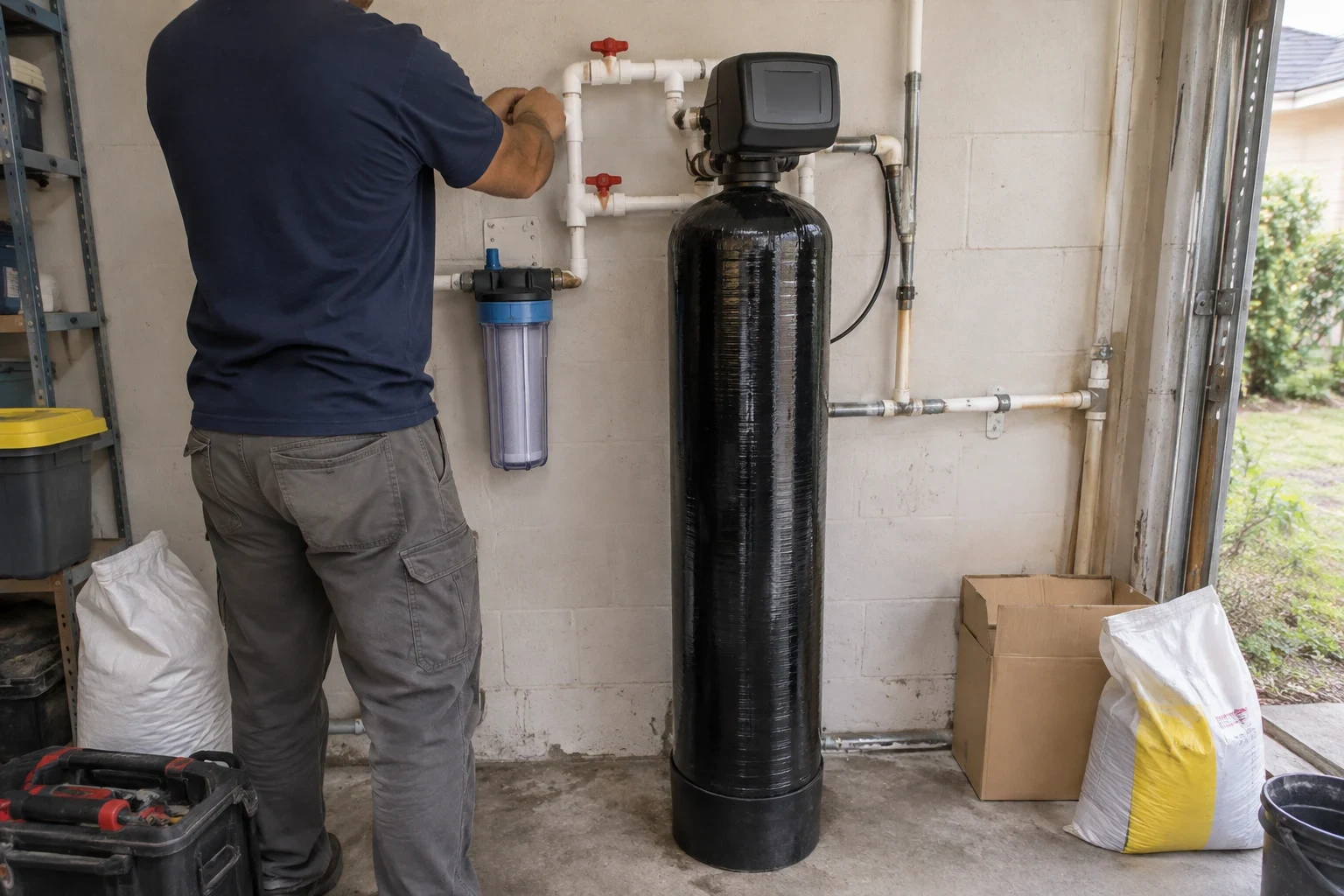
A bleach smell at the kitchen tap or tight, itchy skin after a shower usually traces back to the disinfectant in treated water. We first confirm whether your supply uses chlorine or chloramine, then fit a carbon system that takes it out before water reaches any faucet in your home.
Removing the disinfectant, not just masking it
Your water provider treats the supply so it stays safe all the way from the plant to your street, and that treatment does its job. The leftover is what you notice at home: a sharp taste in your glass and a smell that rises with the steam in a hot shower. We take it out once it is no longer needed, right where the main line comes into your home.
Chlorine and chloramine behave differently. Free chlorine is easy for standard carbon to capture. Chloramine is chlorine bonded with ammonia, and it holds on much harder. Ordinary carbon removes it slowly and only partly, so it calls for catalytic carbon and a tank big enough to give the water more contact time.
That is why we confirm which one is in your water before we recommend any equipment. Picking the wrong media is the usual reason a filter helps for a few weeks and then the smell creeps back. Getting the match right at the start saves you a second visit and a second bill.
What the work includes
- 01
Confirming your disinfectant
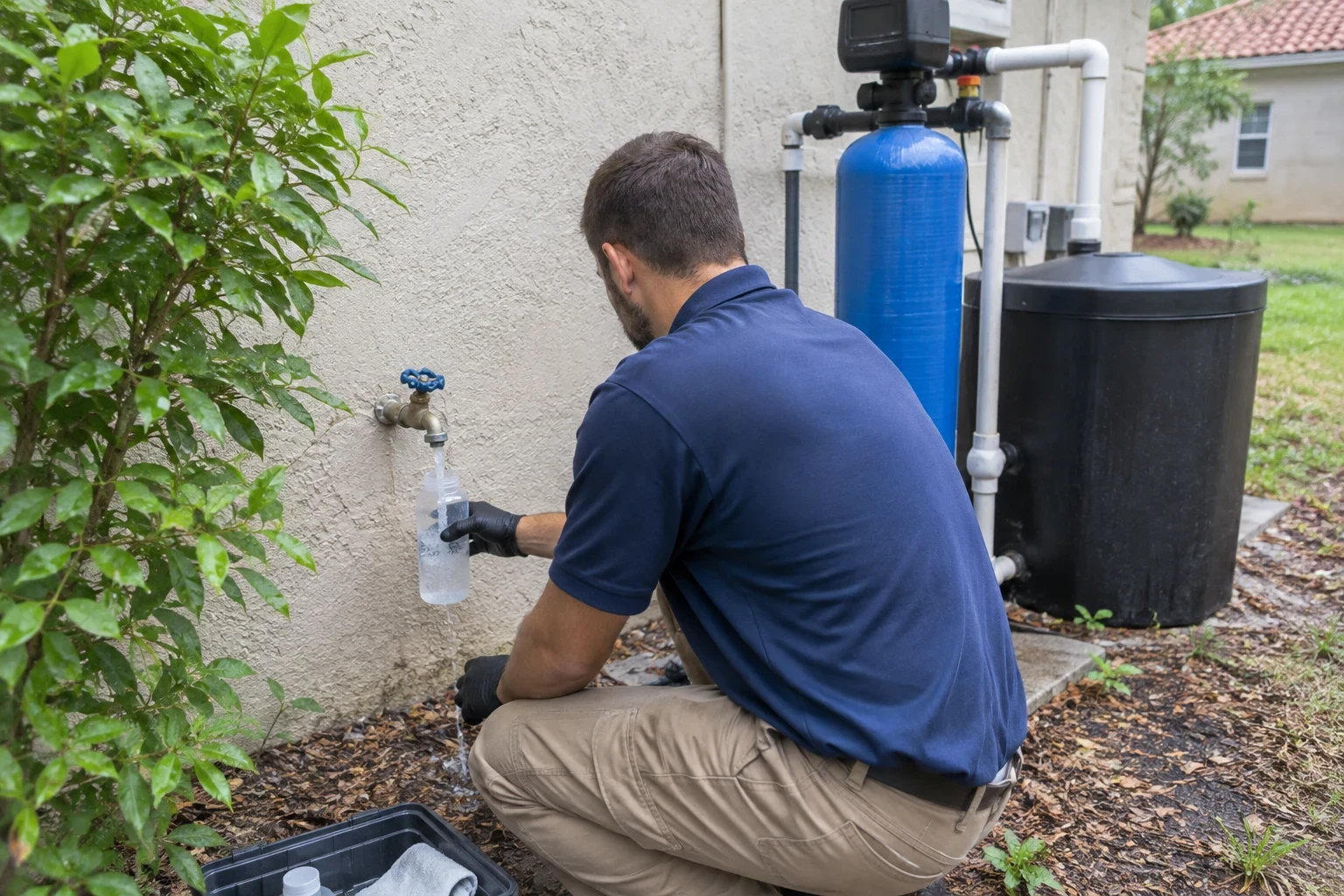
We review your water provider's published water quality information to see what they use and whether it switches during the year. We also ask where you notice the problem, since a smell that shows up only in hot water often points to the water heater.
- 02
The right carbon media
Homes on chlorine get a good standard carbon bed. Homes on chloramine get catalytic carbon, which breaks chloramine down far more effectively than ordinary carbon can.
- 03
A tank sized for your household
We base the tank size on your bathrooms and how much water runs at the same time. That keeps contact time where it should be, even with two showers going.
- 04
Sediment prefilter where it helps
A small prefilter traps grit before it gets to the carbon. The bed stays cleaner and the media lasts longer.
- 05
Bypass valve and tidy install
Each system includes a bypass valve so your water keeps running if the unit ever needs service. We cover the work area and clean up before we go.
- 06
Warranty coverage
The whole-home treatment tank comes with a lifetime warranty. On top of that, our installation is covered by a 1-year workmanship warranty, so if something we put in is not right, we come back and correct it.
Questions about Chlorine & Chloramine Removal?
Call(813) 370-1373Signs it is time to remove chlorine or chloramine
Your tap water smells like a pool
That sharp, bleachy smell is the most common reason people call us. It tends to be strongest first thing in the morning or right after the line has sat.
Dry skin and hair after showering
Warm water releases more disinfectant into the air and onto your skin. Many families notice softer skin and less frizz once it is filtered out.
Coffee, tea and ice taste off
Chlorine flattens the flavor of anything made with tap water. If you are buying bottled water just for cooking, a whole-home system can end that habit.
An older carbon filter stopped working
If a system you already own used to help and no longer does, the carbon may be spent, or it may be the wrong type for chloramine. We look before we suggest replacing anything.
You keep fish or protect other equipment
Chloramine is harmful to aquarium fish and wears on softener resin and RO membranes over time. Removing it upstream protects all of them.
How a chlorine removal job runs
- 1
A conversation by phone
You describe what you smell, taste or feel, and give us a rough idea of how your home is plumbed. We explain what we will check and pick a visit time that suits you.
- 2
A look at your home and your water
We locate where the main line enters, look for a drain and outlet nearby, and review the disinfectant your utility uses. If the real cause turns out to be something other than chlorine, we say so plainly.
- 3
A written estimate
You receive a line-item estimate covering the tank, the media and the labor. Nothing gets added later unless we talk it through with you first.
- 4
Installation day
We close the main valve, plumb the tank in where the line enters the house and add the bypass. Then we run water through the fresh carbon until it comes out clear, and most homes have water back by the afternoon.
- 5
Walkthrough and ongoing support
We show you how the bypass works and what to keep an eye on. From then on, we are here for maintenance, filter and media replacements, and any service your system needs.
What affects the cost
We put a written estimate in your hands once we have seen your plumbing and confirmed which disinfectant your water carries. The number comes from a handful of real factors. We explain each one as we go, so you know what you are paying for and why.
- Which disinfectant you have
- Water treated with chloramine needs catalytic carbon, a pricier media than the standard kind. It also tends to call for a deeper bed, which means a larger tank.
- How much water your home uses
- Extra bathrooms and busy mornings push up peak demand. A bigger household needs more carbon to keep the water in contact with it long enough.
- Installation location
- A clear spot near the main line, with a drain and outlet close by, keeps the labor simple. Cramped spaces or longer pipe runs take more time.
- What is already installed
- Taking out an old filter, or placing the new system ahead of a softener or reverse osmosis unit, changes how much work the job involves.
Chlorine and chloramine removal questions
Does chlorine in my tap water mean it is unsafe?
No. Utilities add a disinfectant to protect water while it travels through the pipes, and they hold it within set limits. Taking it out at your home is about better taste and smell, more comfortable showers, and protecting things like fish tanks and other treatment equipment.
Can a standard carbon filter remove chloramine?
Only poorly. Regular carbon works on chloramine slowly, so a good share of it gets through. When your water carries chloramine, we use catalytic carbon and choose a tank that gives the water more time in contact with it.
How long does the carbon last before it needs replacing?
That depends on your household's water use and which disinfectant you have, because chloramine wears the media down faster. During the walkthrough we give you a realistic timeline for your home, and we take care of the replacement when it is due.
Does filtering the whole house reduce water pressure?
Not in a way you should notice, as long as the tank matches your home's demand. Most pressure complaints trace back to a system that is too small. That is why we size by your bathrooms and how much water runs at once rather than reaching for a one-size unit.
Can you fix a carbon system I already own instead of replacing it?
Often, yes. We check whether the media is simply used up or whether it was the wrong type for your disinfectant from the start. If fresh media in the existing tank will do the job, we tell you that before suggesting anything new.
Do I still need reverse osmosis for drinking water?
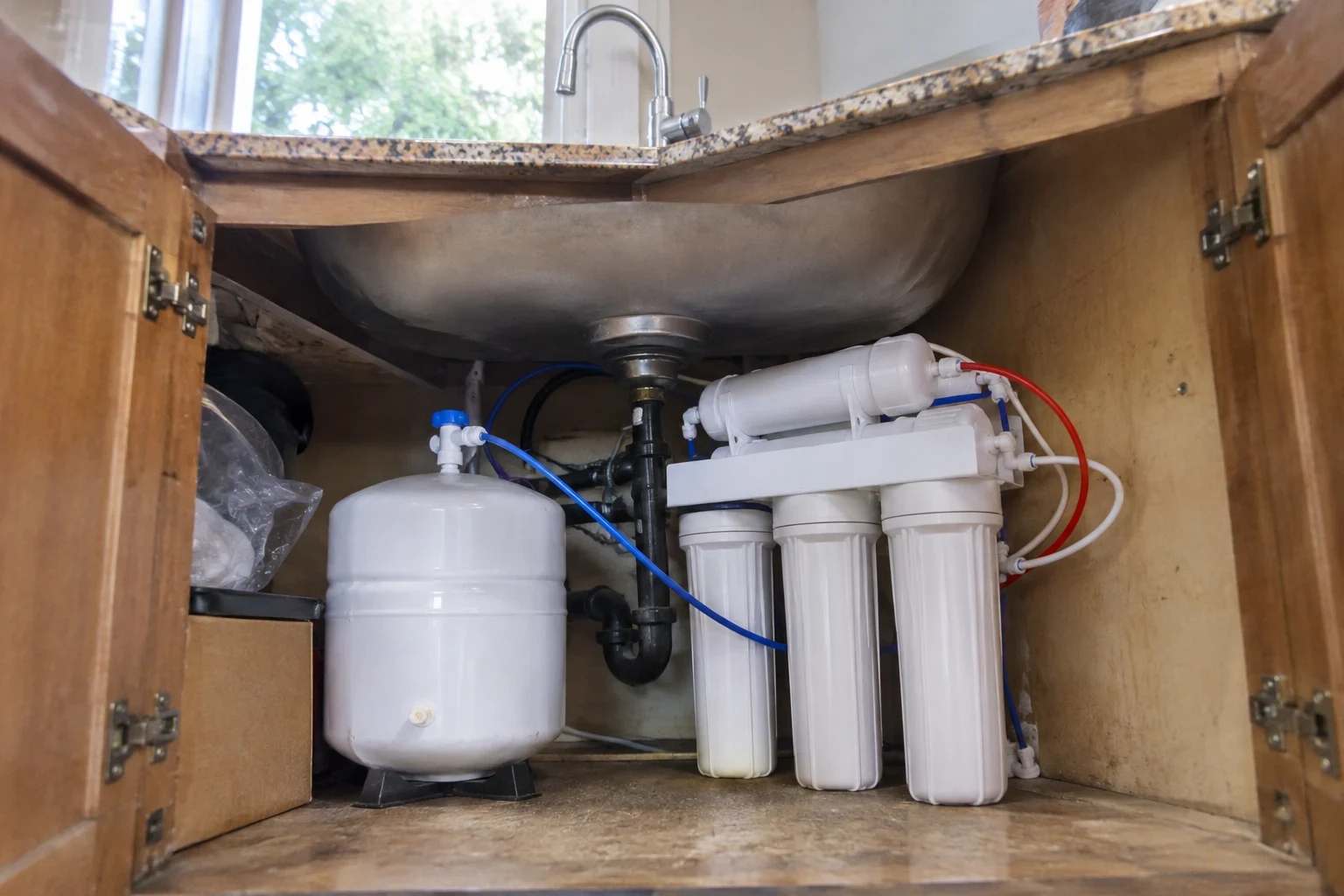
Not if chlorine taste is your only concern. Some families also want a reverse osmosis unit under the sink for the water they drink and cook with. In that case the whole-home carbon system does it a favor, because it keeps chlorine from reaching and wearing down the membrane.
Ready for water that tastes like water
We serve Seffner and nearby towns including Brandon, Valrico and Thonotosassa. Tell us what you are noticing and we will help you figure out the right fix.